Blog Post 2, EDCI 339
Main Inquiry Question: How do students learn best, should they choose their own learning methods/ styles?
Supporting question: How would continuous study in isolation affect a student’s long term collaboration with their peers?
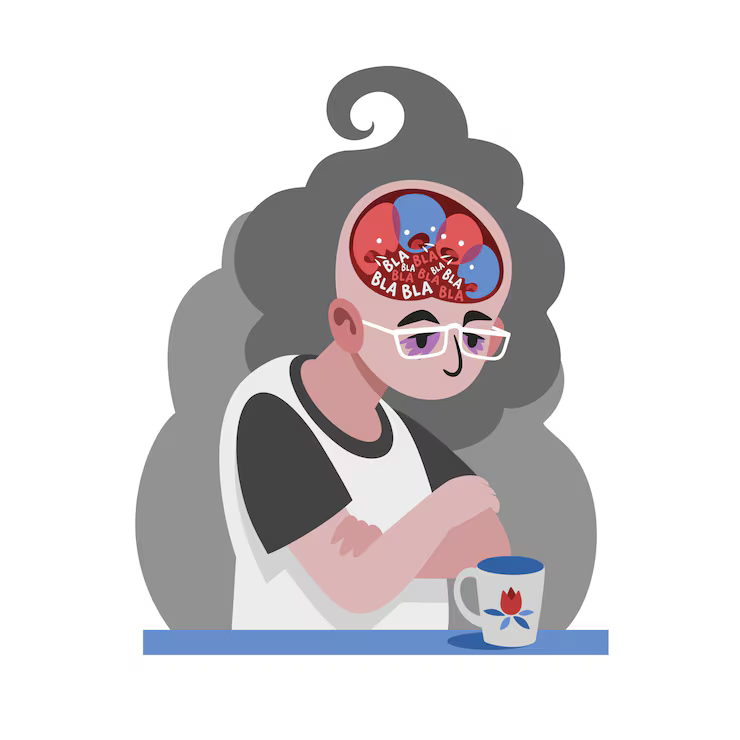
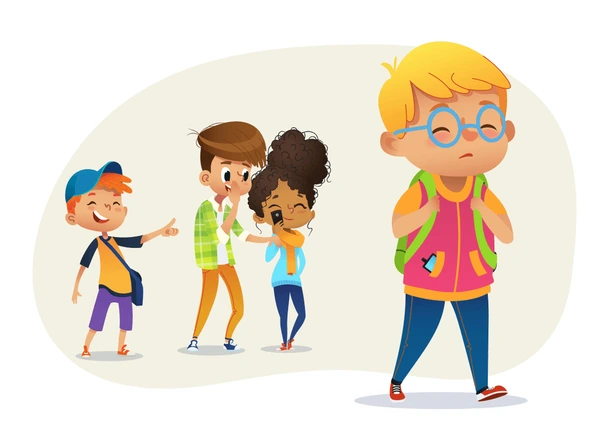
My Learning: Students may experience feelings of anxiety, depression and rejection when attempting to collaborate with their peers after studying alone for long periods of time. It can become near impossible to reach out to peers after isolation. A student may feel hesitant to break their isolation habits for reasons such as lack of motivation, fear of being rejected or having no prior relationships in the class. This keeps the student in a constant loop of poor socialization. These mental barriers also contribute to poor academic and employment outcomes (Jefferson et al., 2023). Therefore, there are many consequences attached to students isolating themselves in their studies.
Not only is loneliness linked to poor mental health but it is also proven to cause poor physical health. The article by Hawkley & Cacioppo (2010) concludes that loneliness can cause conditions such as impaired cognitive performance, cognitive decline, increased risk of Alzheimer’s disease, and diminished executive control. These are all detrimental conditions that can cause long-term effects. To help prevent these conditions students should socialize often to help keep themselves alert and healthy.
Unfortunately, there has been an uprise in students isolating themselves in their schooling as of recently. The article by Zahedi et al., (2022) quotes that “loneliness is one of the foremost common issues among university students that may negatively affect their physical and mental states and academic performance.” It is unclear what has caused this sudden rise in university students becoming lonely. Many suspect it is due to the uprise in asynchronous learning, social media and electronic devices. All these factors are fair to assume but they are still just assumptions. More research needs to be done on this front to have a clear and truthful answer.
Reflection: While it’s important to spend time studying alone, it is also equally important to make an effort to socialize and interact with peers. Both ends of the spectrum can be seen as extreme and unhealthy. Having a good balance will result in a more fulfilling and rewarding schooling experience for the student. As well as it will make for better students as grades and effort will rise.
Next research question: How did the abrupt transition of moving students schooling to online during COVID-19 affect their learning when they were able to return back to in person schooling?
Next steps:
-Reflecting on my own experience studying alone for long periods of time.
Personal summary: As a student I have experimented with studying alone and in a group setting. Ultimately I would agree with the theory that having a mix of study methods is the best way to go about effectively studying. A time where I began to feel very isolated and anxious about reaching out to other students in my classes was in the beginning of first year in University. Before University I had always had multiple friends around and felt confident asking my peers to collaborate. Going from having so many friends at school to having ultimately no was difficult for me. Besides going to lectures I was isolating most the time at home and studying. I found it very difficult to break out of this cycle. My family and friends ultimately had to push me out of this reoccurring cycle as they noticed I was becoming very anxious and nervous about just attending University. Over my past few years attending University I have become much better at reaching out and asking peers to work together.
Multimedia- Youtube video:
Below is a link to a Youtube video by Dr. Tracey Marks. She further explains the effects and results of long term isolation on the brain. Dr. Tracy Marks Youtube Video
References:
Hawkley, L., & Cacioppo. (2010, October). Loneliness Matters: A Theoretical and Empirical Review of Consequences and Mechanisms. National Library of Medicine. https://pmc.ncbi.nlm.nih.gov/articles/PMC3874845/
Luan, M. (2022, August). Adverse Effects of Loneliness on Students. ResearchGate. https://www.researchgate.net/publication/363142502_Adverse_Effects_of_Loneliness_on_Students
Zahedi, H., Sahebihagh, M., Sarbakhsh, P. (2022, October). The Magnitude of Loneliness and Associated Risk Factors Among University Students: A Cross-Sectional Study. National Library of Medicine. https://pmc.ncbi.nlm.nih.gov/articles/PMC9922349/
Jefferson, R., Barreto, M., Verity, L., Qualter, P., (2023, March 2). Loneliness During the School Years: How It Affects Learning and How Schools Can Help. Journal of School Health. https://onlinelibrary.wiley.com/doi/10.1111/josh.13306